

Quick answer
The Opera Garnier Paris programme divides into two tracks: self-guided daytime tours of the public areas (daily 10:00–17:00, €25 entrance) and ticketed evening performances of opera and ballet that follow the Opéra National de Paris seasonal calendar. Performance schedules change monthly and are published on the official operadeparis.fr website approximately three months in advance. Daytime visitors tour the grand foyer, grand staircase, and auditorium when rehearsals permit; evening ticket holders attend full productions in the auditorium.
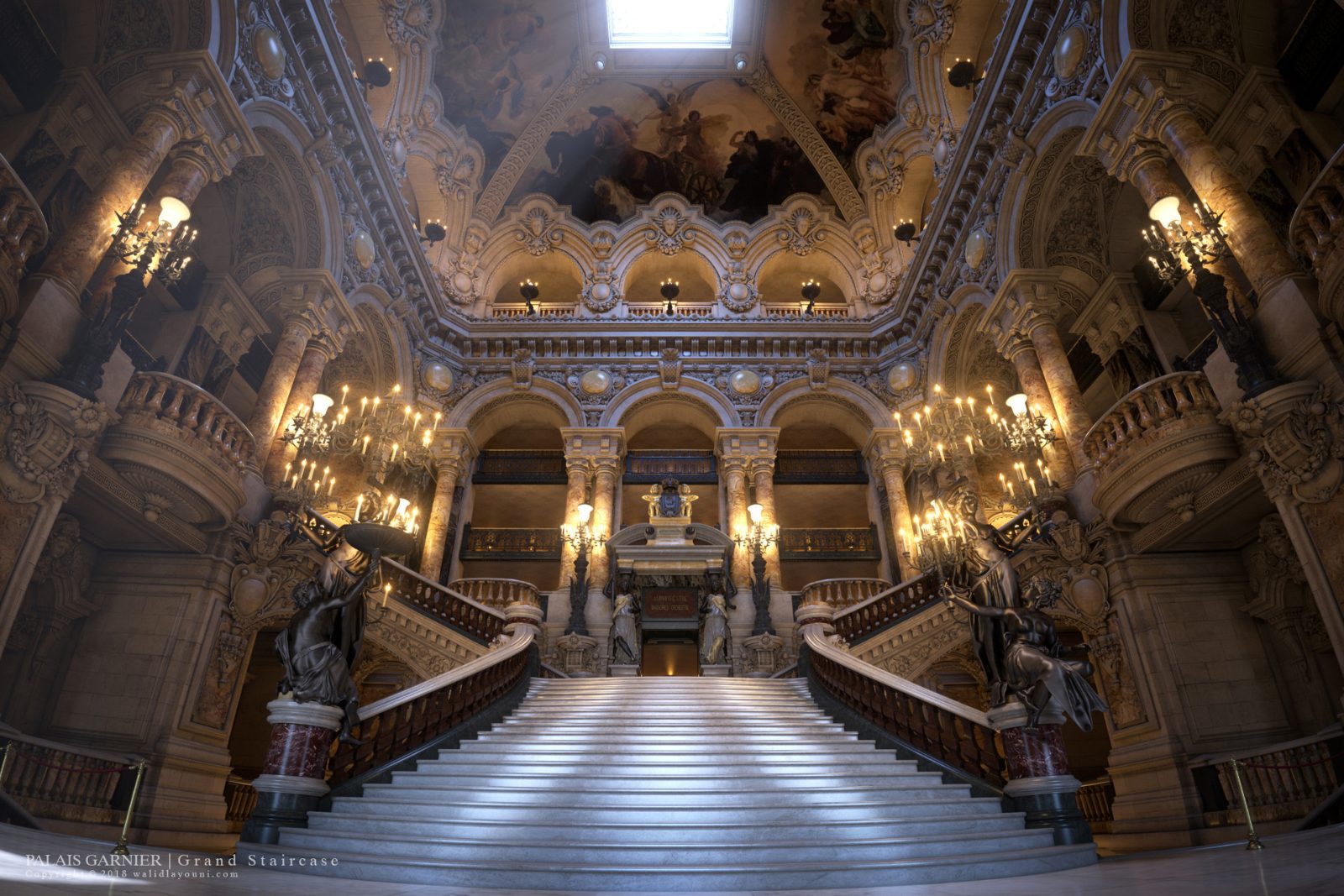
The auditorium of Palais Garnier seats 1,979 spectators beneath Marc Chagall's ceiling fresco, and on most evenings between September and July, it hosts opera or ballet performed by the Opéra National de Paris company. The opera garnier paris programme publishes roughly twelve weeks ahead, with productions rotating every few weeks throughout the season. A single opera may run for eight to twelve performances across three weeks, followed by a complete changeover to ballet or a different operatic work. Summer months see fewer performances as the company shifts programming to Opéra Bastille. Daytime access operates on a parallel track. Visitors holding tour tickets enter through the Cour de l'Opéra entrance at Place de l'Opéra and follow a self-guided route through the grand staircase, the foyers decorated with Paul Baudry frescoes, and when not in use for rehearsal, a view into the auditorium from the mezzanine. Tour access does not include seating for a performance. The two experiences require separate tickets purchased through different channels: performance tickets through the operadeparis.fr box office, tour tickets through the monument entrance system. Rehearsal schedules occasionally close the auditorium to daytime visitors without advance notice. The grand staircase, rotunda, and foyers remain accessible regardless. Visitors planning around a specific performance should confirm the opera garnier paris programme for their travel dates at least six weeks ahead, as popular productions sell out early. The Opéra National de Paris typically stages four to five different works each month during the active season, alternating between classics such as La Traviata or Giselle and contemporary commissions. The building itself remains the primary draw for most daytime visitors. Architect Charles Garnier designed the structure between 1861 and 1875 as the centerpiece of Baron Haussmann's urban redesign. The grand foyer runs 154 meters in length, mirroring the Hall of Mirrors at Versailles in scale and decorative ambition. Bronze and marble staircases lead visitors through five levels of public and restricted spaces, with gilt stucco, painted ceilings, and mosaics marking each zone.
“The grand foyer runs 154 meters in length, mirroring the Hall of Mirrors at Versailles in scale and decorative ambition.”
Opera Garnier Paris Programme and Seasonal Performances
The Palais Garnier hosts a rotating repertoire of world-class ballet and opera performances throughout the year. Visitors are encouraged to consult the official website to view the most current schedule and confirm performance dates.
Autumn Season
The theater enters its primary performance season featuring major ballet productions and opera performances; booking in advance is advised for popular shows.
Winter and Spring Season
This period offers a full calendar of contemporary and classical dance, alongside various opera recitals. It is a busy time for the venue, making early planning essential.
Summer Performances
The program often transitions to lighter fare or special touring performances. While the main opera season slows down, the venue remains a primary destination for cultural events.
Opening Hours for Visiting the Opera Garnier Paris Programme
The Palais Garnier is open to visitors daily throughout the week. Access may be restricted or modified based on the current performance schedule.
| monday | 10:00–17:00 | |
|---|---|---|
| tuesday | 10:00–17:00 | |
| wednesday | 10:00–17:00 | |
| thursday | 10:00–17:00 | |
| friday | 10:00–17:00 | |
| saturday | 10:00–17:00 | |
| sunday | 10:00–17:00 |
Entrance Fees for the Opera Garnier Paris Programme Site
Admission fees for the Palais Garnier are determined by your residency status within the European Economic Area. These fees cover self-guided tours of the monument, distinct from tickets for opera or ballet performances.
A typical adult pays 25 EUR, unless they are a resident of an EEA country, which reduces the fee to 15 EUR.
Best Time to Visit the Opera Garnier Paris Programme Venue
To experience the Palais Garnier with fewer crowds, the best arrival window is 10:00–16:00. Arriving early allows for a more fluid exploration of the venue before peak visitor numbers are reached.
Weekday mornings
Low to moderate—
Arriving at 10:00 ensures you beat the midday rush for a quieter experience.
Shoulder months (April/October)
ModerateMild temperatures 12°C–18°C
These months offer balanced weather for walking to the venue without summer heat or winter cold.
Weekend afternoons
High—
Expect significant congestion during these hours as visitor numbers increase throughout the day.
Verdict: For the most fluid visit, plan to arrive between 10:00 and 12:00 on a Tuesday or Wednesday during the shoulder months of April or October.
What to See During Your Opera Garnier Paris Programme Visit
The Palais Garnier features elaborate 19th-century architecture characterized by opulent materials and intricate ornamentation. These primary spaces represent the structural and artistic core of the building.
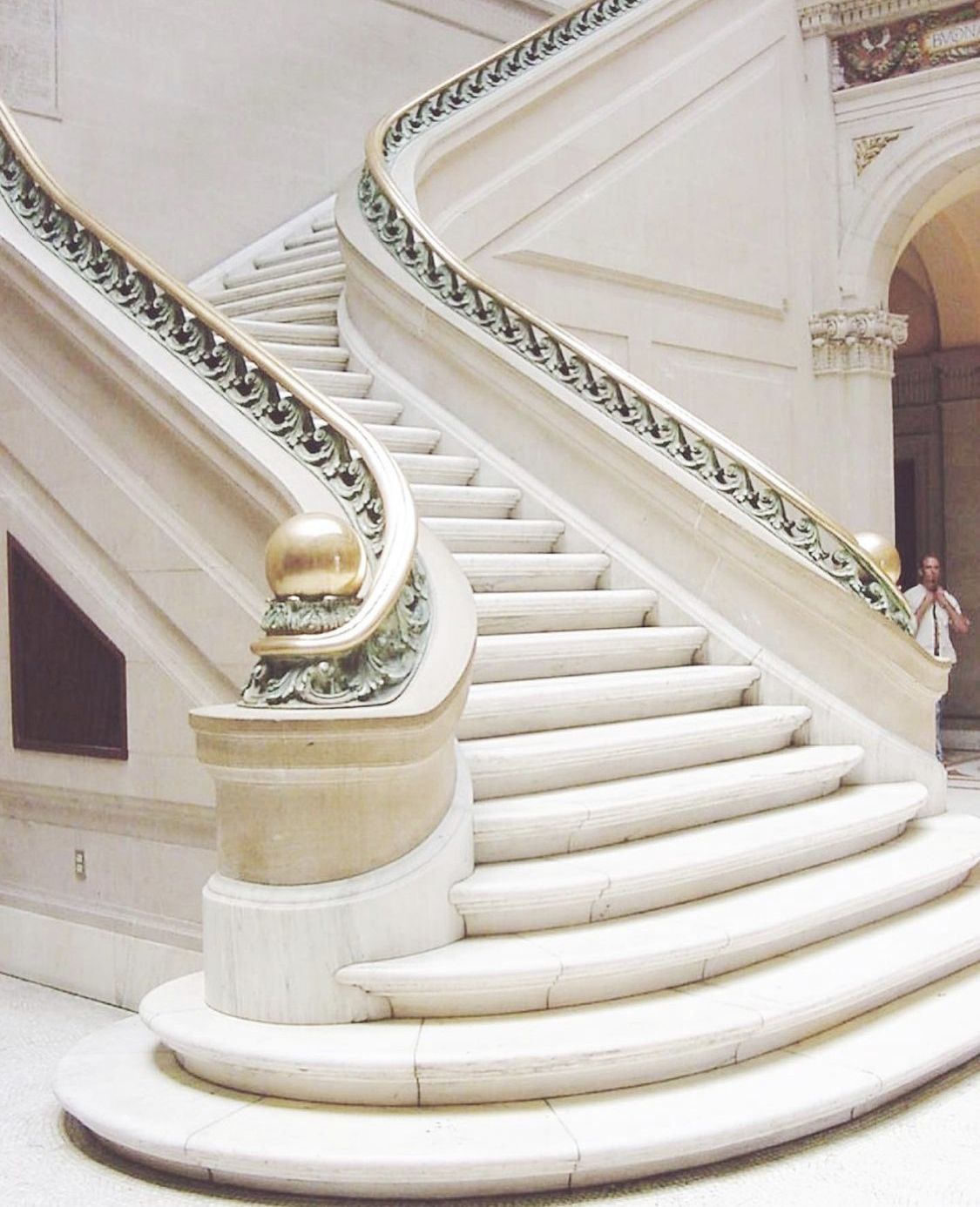
Grand Staircase
Constructed from variegated marble, this staircase serves as the central architectural axis of the building. It connects the lower levels to the higher tiers through a series of decorative landings.
Look down from the upper levels for a full symmetrical perspective.
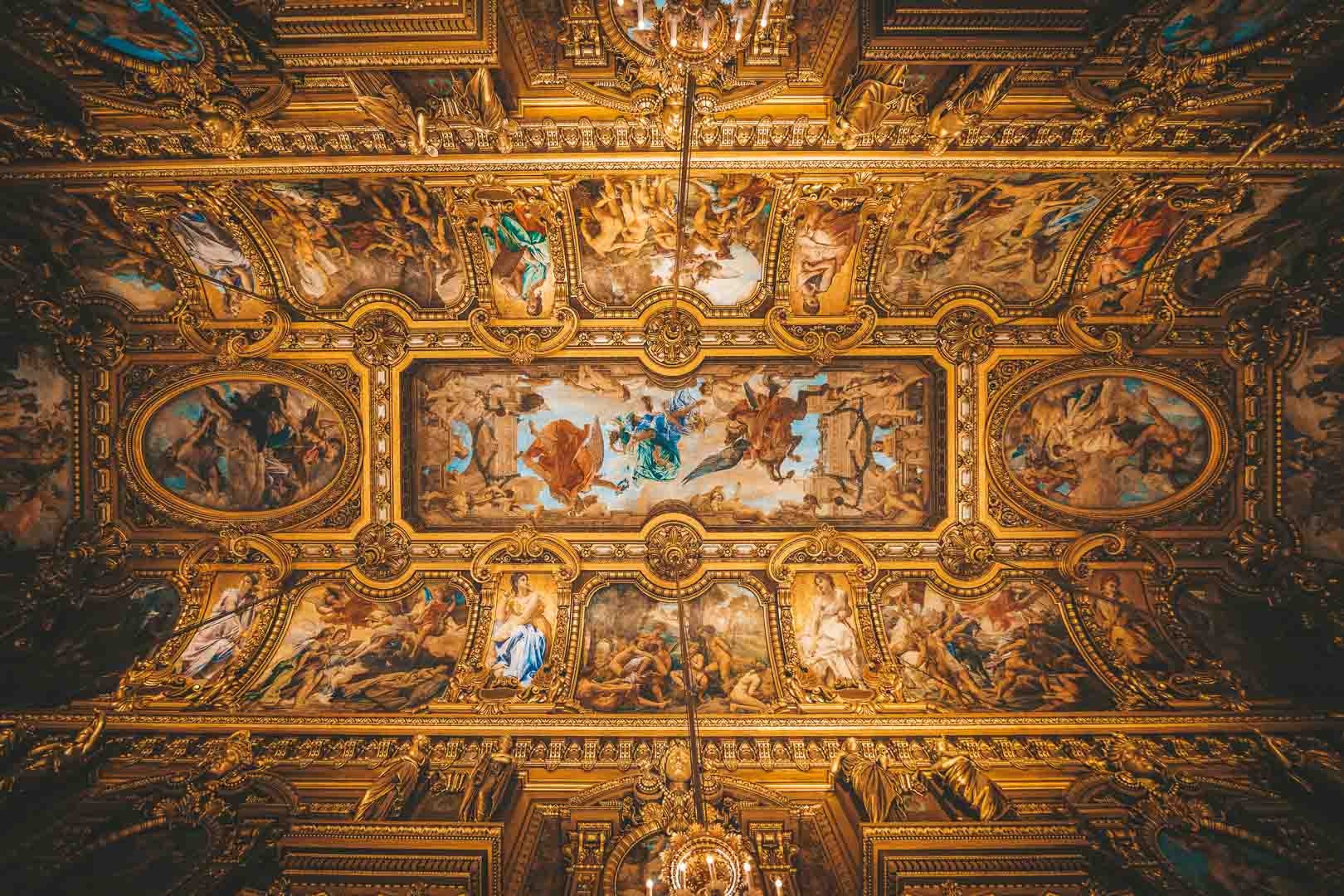
Grand Foyer
Designed to resemble the halls of French chateaus, this space features gilded moldings, mirrors, and ceiling paintings. It was intended as a place for patrons to gather during intermissions.
Walk to the far windows to observe the Place de l'Opéra.
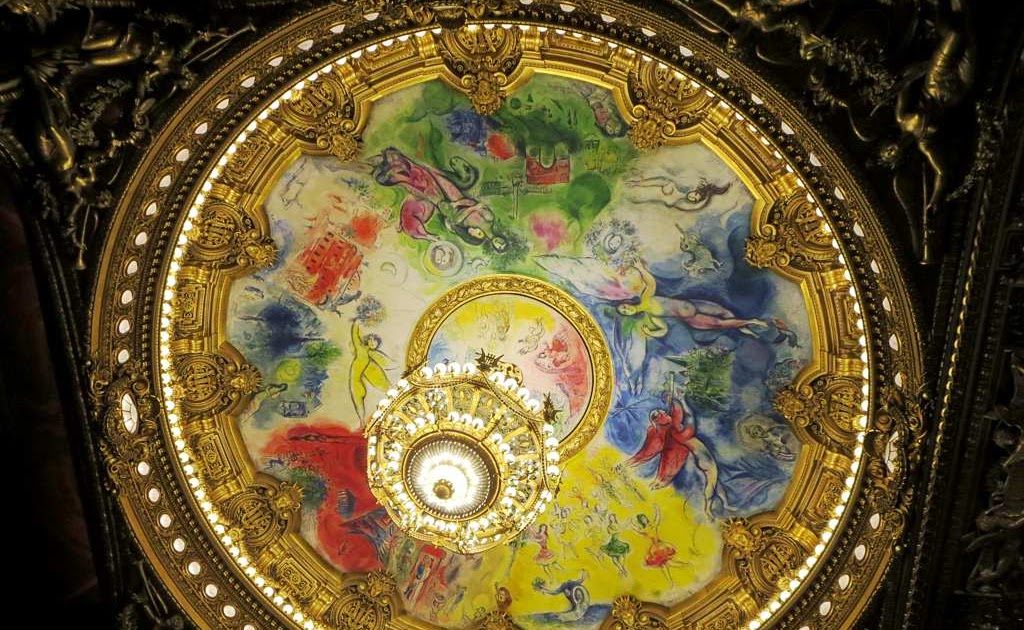
Auditorium
This horseshoe-shaped space features red velvet seating and a large chandelier weighing several tons. The ceiling, painted by Marc Chagall, contrasts with the surrounding Second Empire style.
Look up to compare the central chandelier with the ceiling artwork.
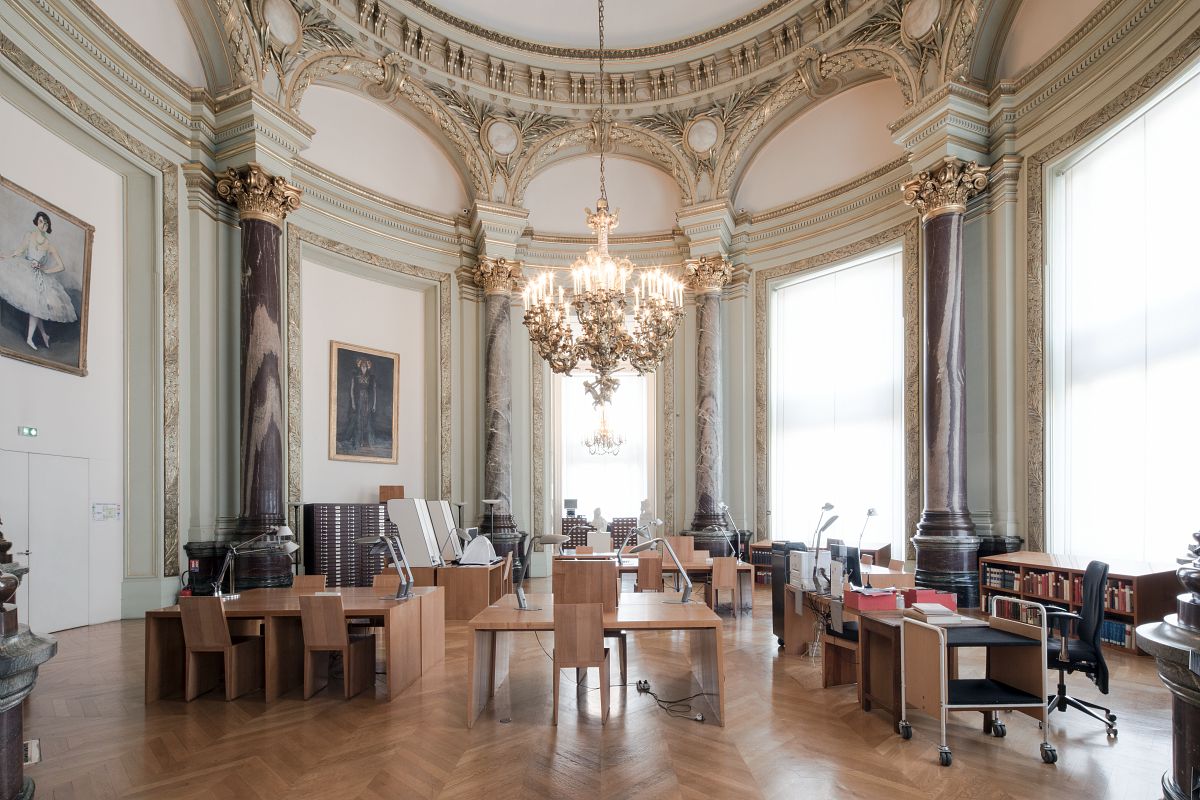
Library-Museum
This area houses archives, scores, and models related to the history of the opera house. It provides context for the performances held throughout the building's history.
Visit the display cases to see historical opera costume sketches.
Check availability
FAQ: Opera Garnier Paris Programme
Everything you need to know about opera garnier paris programme