

Quick answer
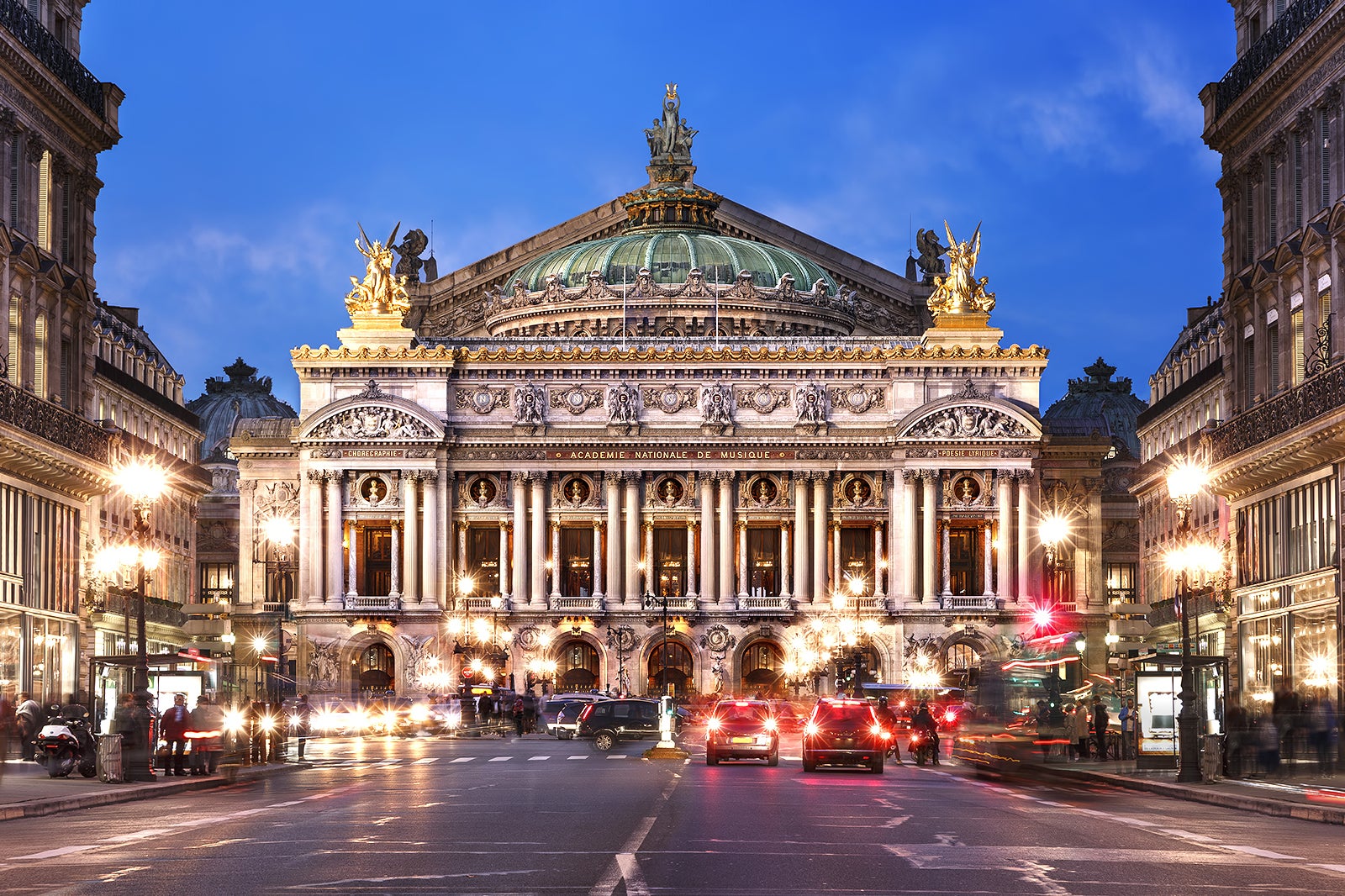
The Opera Garnier stands at Place de l'Opéra in the 9th arrondissement of Paris, approximately 2 kilometers north of the Seine and midway between the Louvre and Montmartre. The Opéra metro station sits directly beneath the building, served by lines 3, 7, and 8, while RER line A stops one block away at Auber station. The opera house faces south toward Avenue de l'Opéra, which runs straight to the Palais Royal.
Charles Garnier designed the opera house to dominate its intersection, and the building delivers on that intent—twelve radiating streets converge on Place de l'Opéra, making the monument visible from approach angles that span nearly 180 degrees. The architect convinced Haussmann to widen the surrounding avenues specifically to frame the façade, a decision that turned the structure into a navigational anchor for the Right Bank. Where is the Opera Garnier in Paris relative to the districts visitors already know? The 9th arrondissement places it north of the grand museums and east of the department stores on Boulevard Haussmann, a position that made it the social center of Second Empire Paris. The Grand Foyer sits at the same elevation as the dome of Les Invalides, 3 kilometers to the southwest, which gives the building sightlines across much of central Paris. That elevation also means visitors climbing from the metro emerge directly into the columned façade rather than approaching from below. The opera house shares its square with the Café de la Paix on the western corner and the old Grand Hôtel on the northern edge, establishments that opened alongside the monument in 1875. Boulevard des Capucines runs west from the square toward Place de la Madeleine, while Rue de la Chaussée d'Antin leads north into the theater district. These streets preserved their 19th-century shop frontages, which means the walk from metro to entrance passes brass plaques, mosaic thresholds, and carved lintels that predate the opera house itself. Orientation inside the building follows the same logic as the exterior—Garnier aligned the grand staircase with Avenue de l'Opéra so that patrons ascending from the ground floor would face south toward the Tuileries, a symbolic gesture that positioned the audience as participants in the imperial procession rather than mere theatergoers. The auditorium sits behind and above that southern façade, which explains why the street entrance feels smaller than the scale of the building suggests. Visitors expecting a single monumental doorway instead find a colonnaded loggia with seven arched bays, each leading to a different section of the foyer system.
“Garnier aligned the grand staircase with Avenue de l'Opéra so that patrons ascending from the ground floor would face south toward the Tuileries.”
Where Is the Opera Garnier in Paris and How Do You Get There
The Palais Garnier is located at Place de l'Opera, 75009 Paris, positioned in the 9th arrondissement at the intersection of major boulevards. The most direct way to reach the entrance is via the Paris Metro network, which terminates at the Opera station directly in front of the building.
Lines 3, 7, and 8 to Opéra station
Line A to Auber station
Lines 20, 21, 27, 29, 32, 45, 52, 66, 68, 95
Drop-off at Place de l'Opéra
Best Time to Visit the Opera Garnier in Paris
The best arrival window for the Palais Garnier is 10:00–11:30. Arriving during this period allows visitors to experience the interior with fewer crowds before the peak volume of organized tour groups arrives.
Weekday mornings
Minimal congestion—
Visiting early on weekdays provides the quietest atmosphere for viewing the Grand Escalier and auditorium.
Mid-day and afternoons
High visitor volume—
Crowds typically increase significantly after 12:00, especially during peak tourist months.
April to October
HighMild to warm, 15°C–25°C
Peak tourism season brings higher foot traffic throughout the day compared to winter months.
November to March
ModerateCool, 4°C–10°C
Lower seasonal tourism numbers often lead to more manageable crowd levels during these months.
Verdict: For the quietest experience, aim for a weekday arrival at 10:00 during the shoulder months of April or October.
Opera Garnier Paris Opening Hours
The Palais Garnier is open to visitors daily throughout the week. These hours remain consistent regardless of the season, except during exceptional closures for performances or events.
| Monday | 10:00–17:00 | |
|---|---|---|
| Tuesday | 10:00–17:00 | |
| Wednesday | 10:00–17:00 | |
| Thursday | 10:00–17:00 | |
| Friday | 10:00–17:00 | |
| Saturday | 10:00–17:00 | |
| Sunday | 10:00–17:00 |
A Short History of the Opera Garnier in Paris
In 1860, Napoleon III ordered a competition to replace the Salle Le Peletier after an assassination attempt exposed the old opera house's vulnerability. Charles Garnier, a thirty-five-year-old architect, won against 170 rivals in 1861. His design fused Baroque exuberance with Second Empire grandeur, a style later dubbed "Garnier" for its eclectic originality. The first stone was laid in 1861, but construction stalled almost immediately when workers struck bedrock water eight meters below ground. Garnier engineered a double-walled concrete basin and installed pumps that still run beneath the building today—spawning the later myth of an underground lake. The Franco-Prussian War halted work in 1870. The site served briefly as a military warehouse and emergency hospital. Construction resumed in 1873 under the Third Republic, though the regime hesitated to fund a monument begun under the empire. The Paris Opera Ballet, founded under Louis XIV in 1669, finally moved into the completed structure in January 1875. The Palais Garnier opened to the public on January 5, 1875, with a gala featuring excerpts from Meyerbeer and Delibes. Critics debated whether Garnier's ornamental density honored or overwhelmed the operatic tradition, but the building anchored the new Avenue de l'Opéra and reshaped the quarter. Today, the Palais Garnier remains the Paris Opera Ballet's primary stage. Visitors exploring where the Opera Garnier stands in Paris walk the same Grand Staircase Garnier sketched in 1861, pass beneath the Chagall ceiling installed in 1964, and trace the architect's vision across gilt, marble, and mosaic that survive largely as built.
Napoleon III announces competition for new opera house after Salle Le Peletier assassination attempt
Charles Garnier wins competition; foundation work encounters underground water requiring pumped double-walled basin
Franco-Prussian War halts construction; site used as warehouse and hospital
Third Republic resumes work despite initial reluctance to fund Second Empire monument
Palais Garnier inaugurated January 5 with Paris Opera Ballet relocating from prior venues
Marc Chagall ceiling commissioned by André Malraux installed in auditorium
Opéra Bastille opens; Palais Garnier becomes primary venue for Paris Opera Ballet
What to See Inside the Opera Garnier in Paris
A self-guided visit to the Palais Garnier allows exploration of several significant architectural and artistic spaces. These areas showcase the interior ornamentation and design characteristic of the Second Empire style.
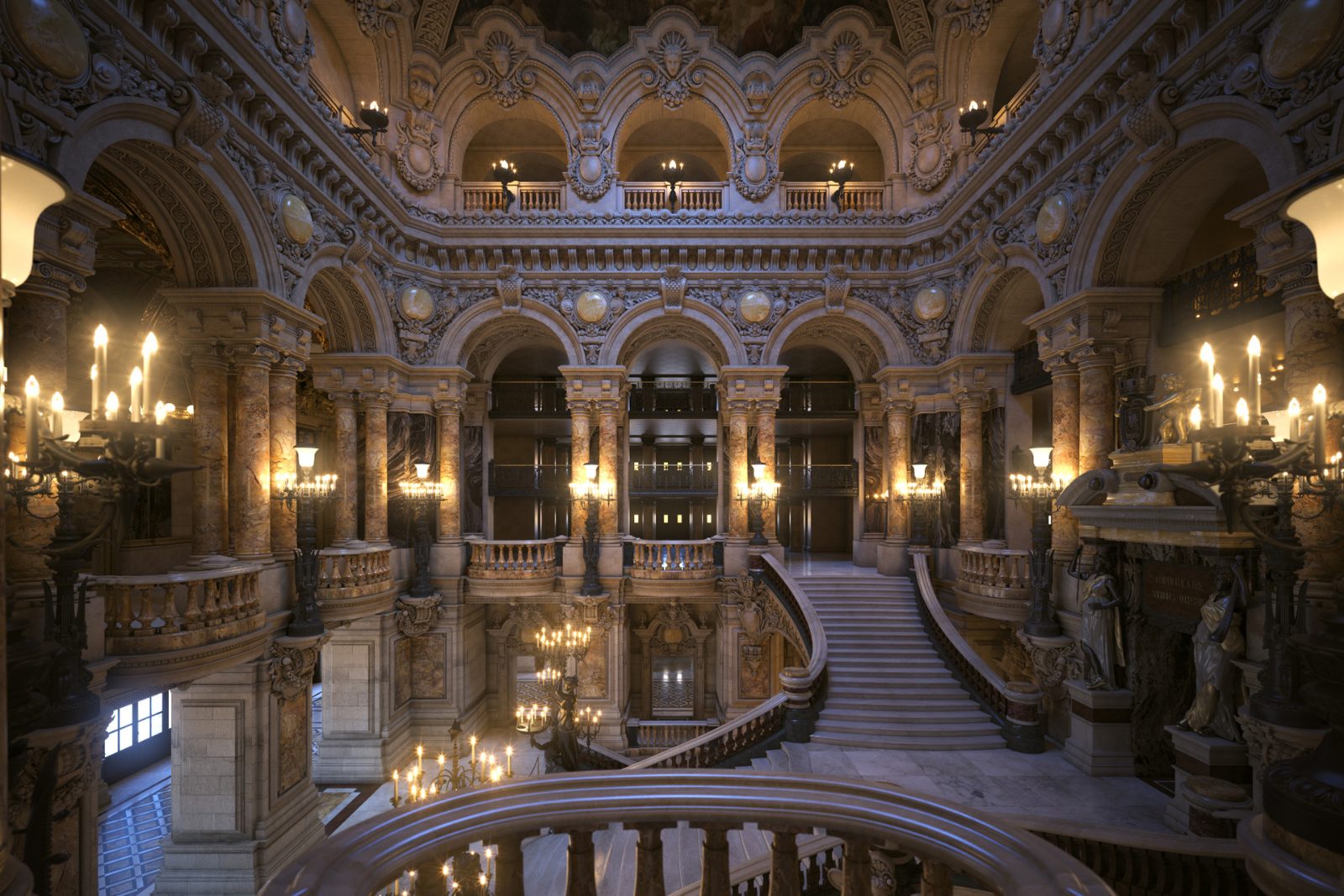
Grand Staircase
This marble staircase features a multi-colored stone design and serves as the central focal point of the interior architecture.
Look down from the upper levels to view the symmetry.
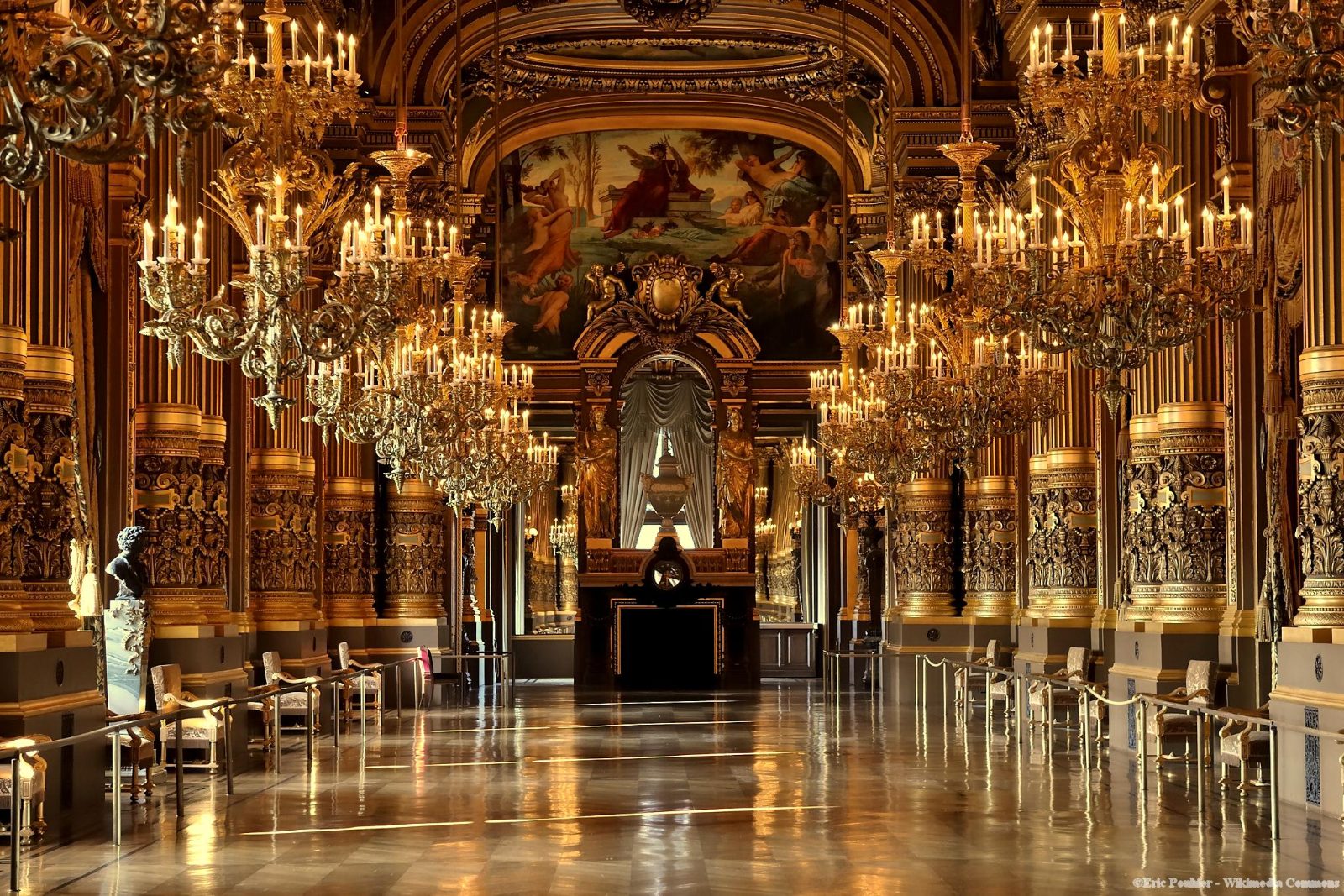
Grand Foyer
Designed to resemble a chateau gallery, this hall features gilded ceilings, large mirrors, and decorative paintings.
Walk to the center for a view of the gallery.
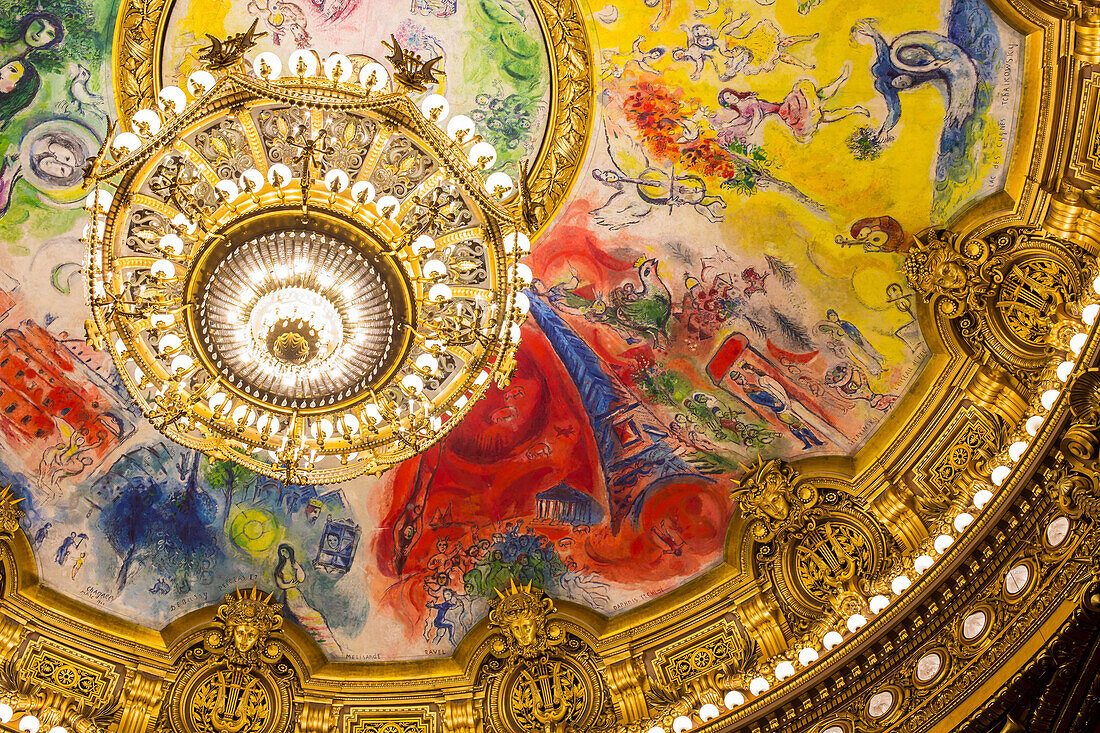
Auditorium
The horseshoe-shaped theater houses the famous ceiling painted by Marc Chagall in 1964.
Check the viewing angle from the boxes for ceiling details.
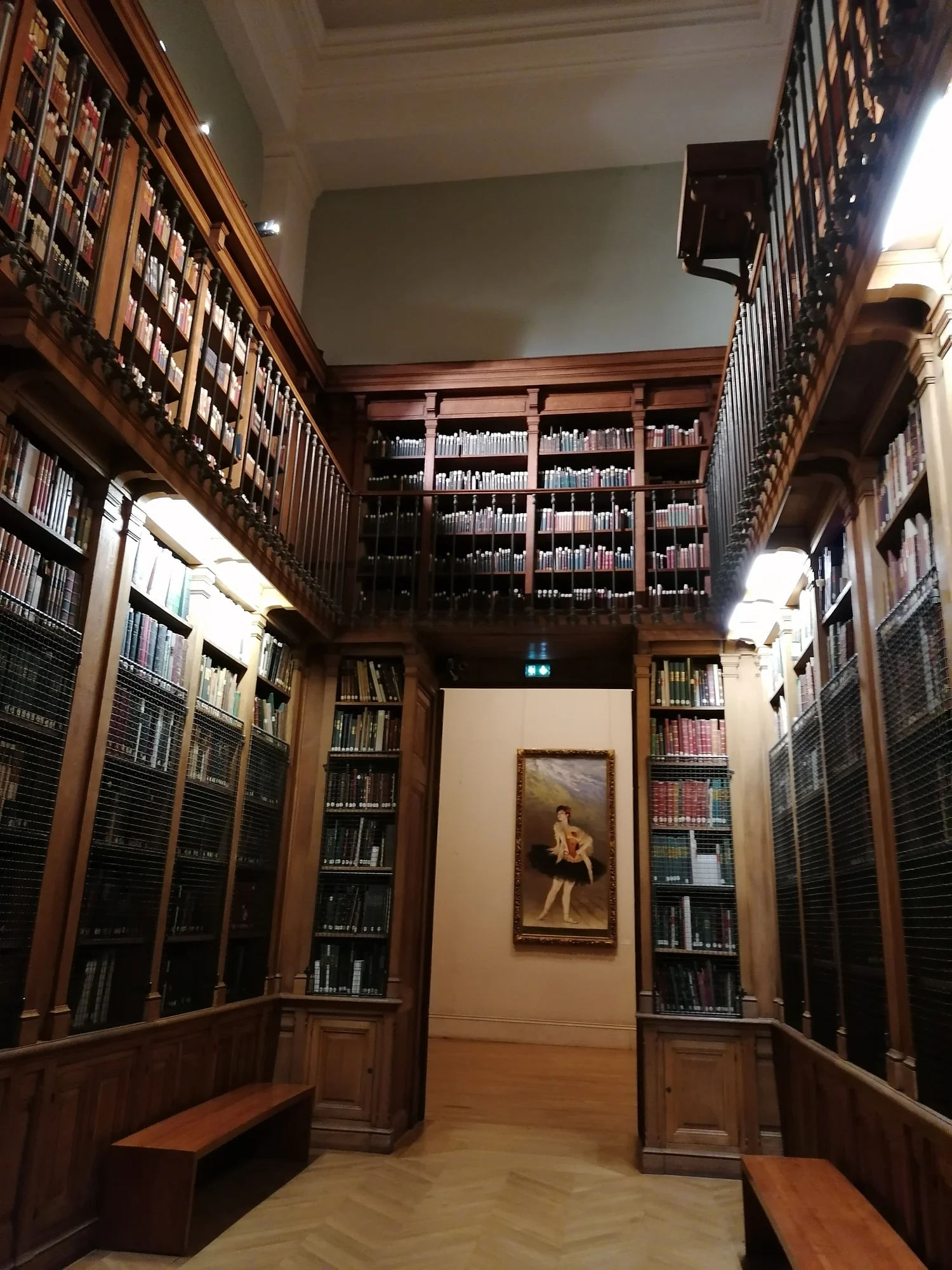
Library-Museum
This space contains archival documents, stage models, and historical records related to the Paris Opera.
Browse the historical costumes and set design models.
Landmarks Near the Opera Garnier in Paris Worth Combining
The Palais Garnier is centrally located in the 9th arrondissement, making it a convenient starting point for exploring several Parisian landmarks on foot. These nearby sites complement a morning visit to the opera house.
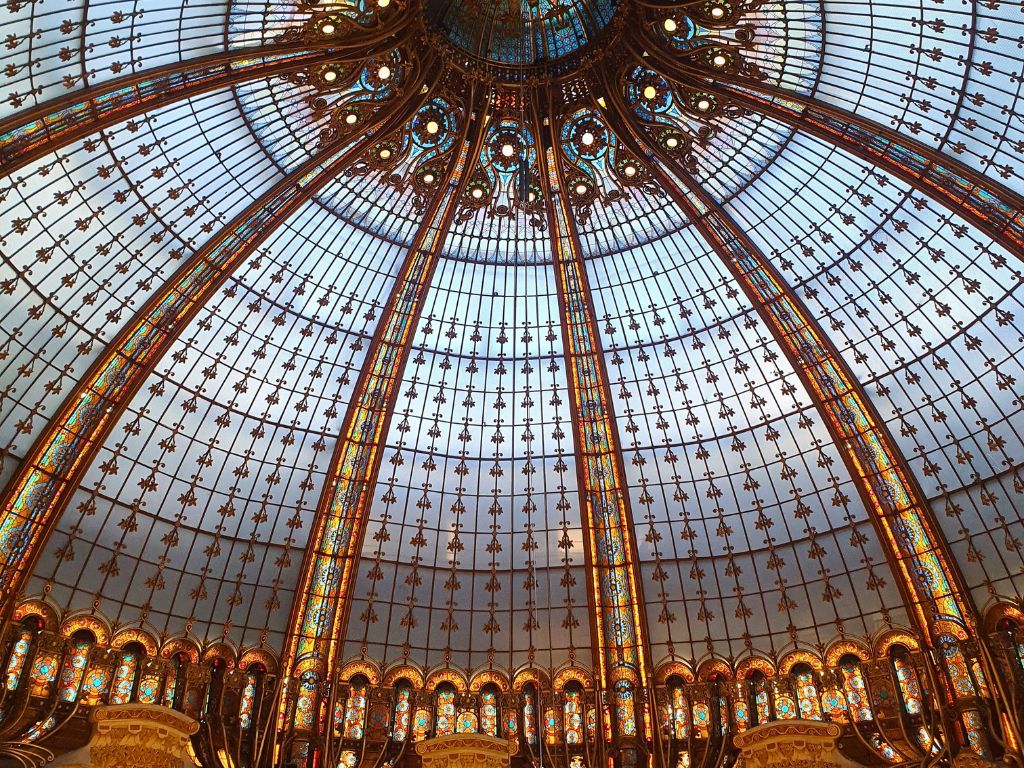
Galeries Lafayette Haussmann
This historic department store is located just behind the opera house and offers a rooftop terrace with panoramic city views. Its ornate stained-glass dome is a notable architectural contrast to the opera's interior.
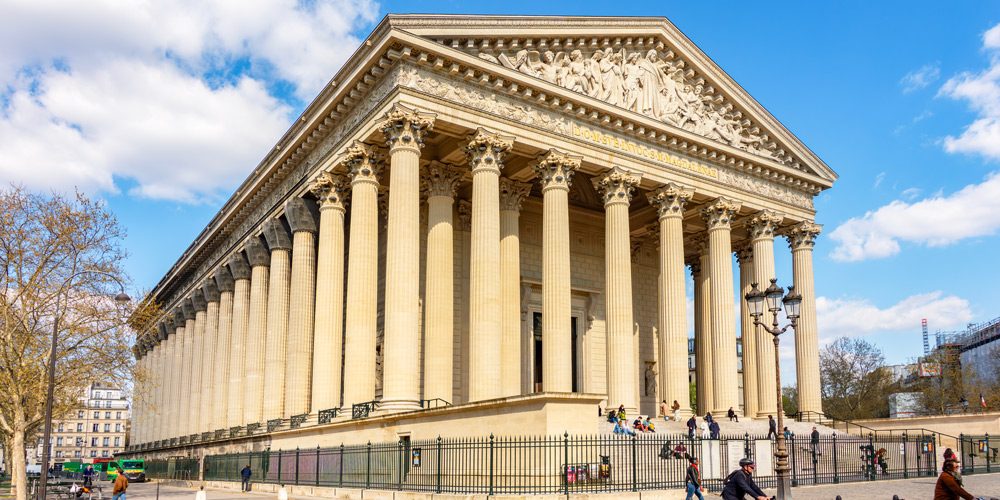
Église de la Madeleine
A short walk south leads to this neoclassical church modeled after a Greek temple, which aligns perfectly with the opera's grand architectural style.
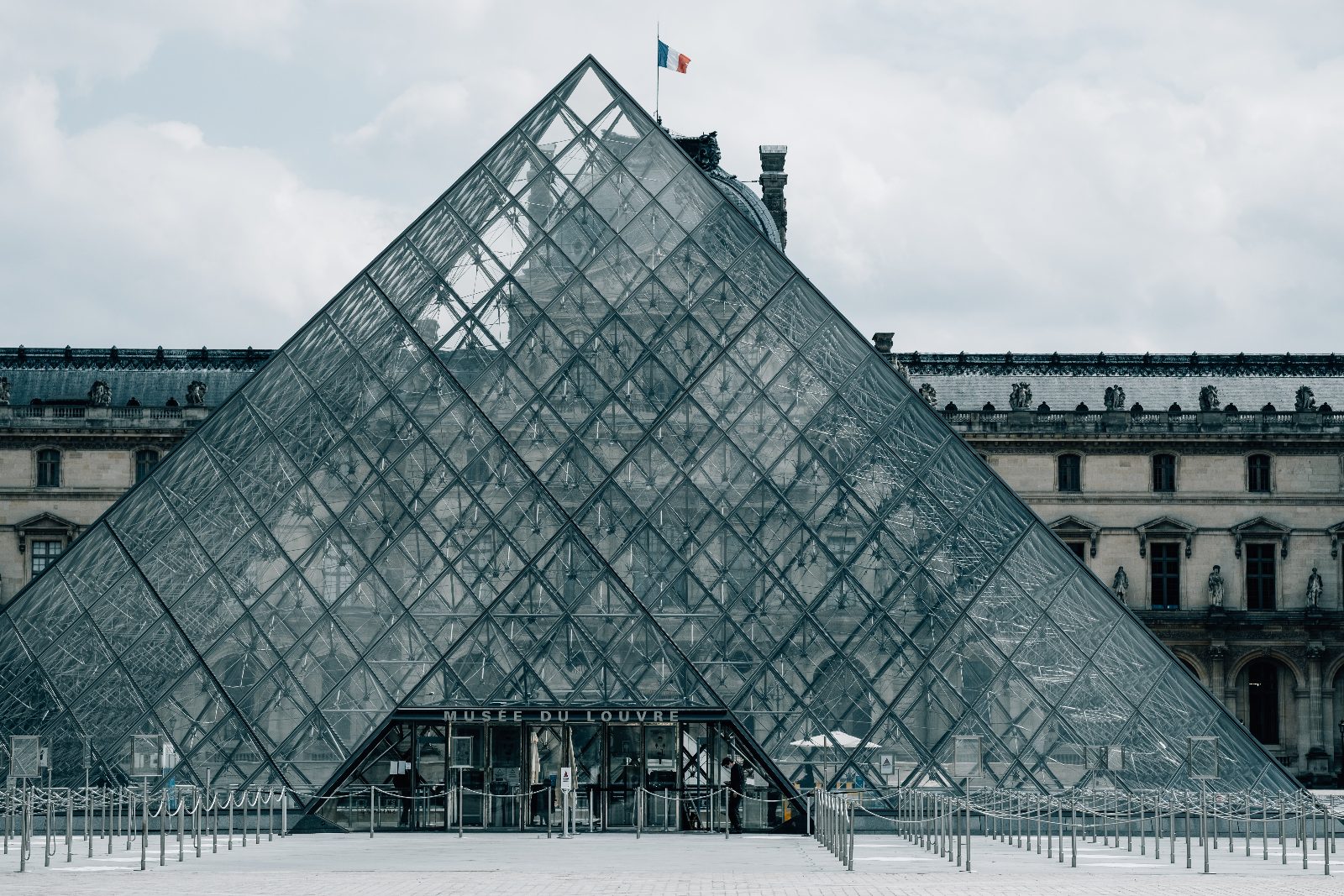
Musée du Louvre
Walking south from the opera allows you to transition from 19th-century luxury to the extensive art collections housed within this former royal palace.
Check availability
Frequently Asked Questions: Visiting the Palais Garnier
Everything you need to know about where is the opera garnier in paris